What’s The Best Nutrition Plan for Indoor Cycling?
Fueling Your Ride for Performance
I’ve been watching the indoor cycling revolution unfold in recent years, and it’s been incredible. Training platforms like Zwift have turned basements and spare bedrooms into virtual velodromes where people are crushing watts like never before, especially in recent years. But here’s what I see happening time and again: people nail their training plan but completely botch their nutrition strategy.
That’s where most folks get it wrong. Indoor cycling isn’t just “exercise.” It’s a controlled environment that gives you the perfect laboratory to dial in your nutrition game. No weather variables, no traffic stops, no forgetting your bottle at mile 40. You can practice, adjust, and perfect your fueling strategy right there in your personal training space.
This guide will walk you through everything, from what to eat before you clip in to how to fuel during sessions and what your body needs afterward to bounce back stronger. Whether you’re grinding through a 30-minute threshold session or settling in for a three-hour endurance ride, I’ve got you covered.
Why is Nutrition for Indoor Cycling Different?
The Impact of the Indoor Environment
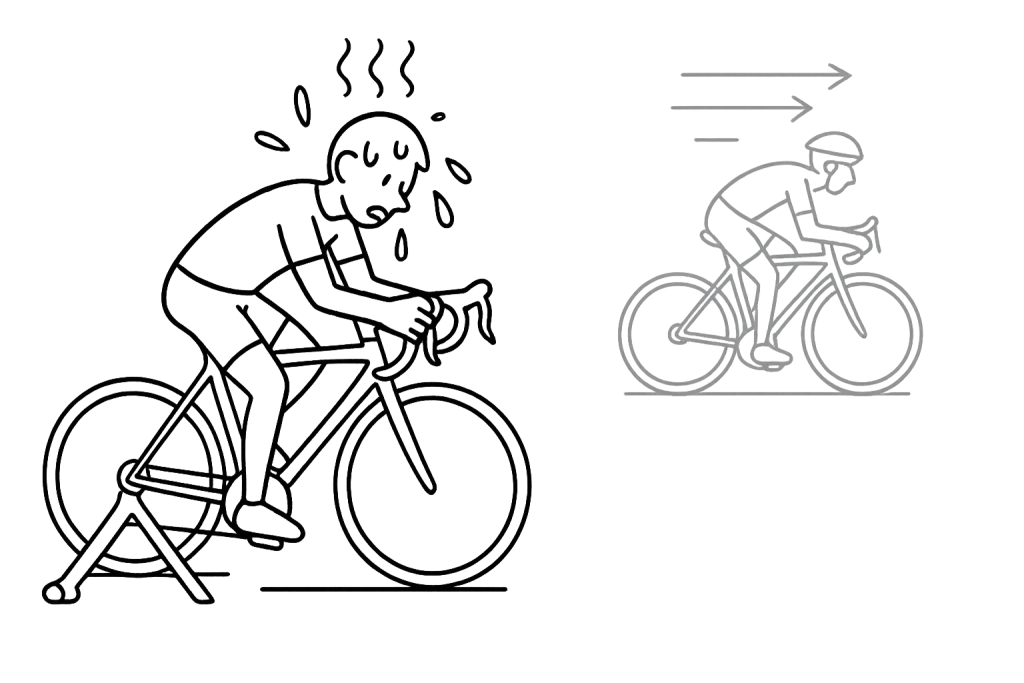
Here’s something that took me way too long to figure out when I first started cycling: indoor riding is basically like training in a sauna. No wind, no natural cooling, just you and your sweat creating a lovely little microclimate of suffering.
Your body temperature climbs faster indoors, period. Without that natural airflow, your core temperature climbs and your cooling system goes into overdrive, which means your sweat rate spikes. I’ve seen athletes lose 2-4 pounds of fluid in a single hour-long session. That’s not just uncomfortable, it’s performance-killing. Even a 2% drop in body weight from fluid loss can tank your power output by 10-15%.
But here’s the silver lining: this controlled environment is actually your secret weapon. You can weigh yourself before and after rides, track exactly how much you’re drinking, and figure out your personal sweat rate down to the ounce. This is a great way to truly understand your body’s needs for indoor cycling nutrition.
How do Indoor Cycling Workouts Affect Glycogen Stores?

Your muscles are basically like a car’s gas tank, except instead of gasoline, they store carbohydrates as glycogen—your energy stores. During intense exercise like indoor workouts, you burn through this fuel at a rapid clip, sometimes 60-80 grams of carbs per hour during hard efforts, though this varies by individual fitness level and workout intensity.
The difference between a short ride and a long endurance ride is night and day when it comes to fuel demands. For shorter rides, your body’s got enough energy stores to handle the workload, assuming you didn’t roll out of bed fasted and immediately jump into an intense indoor session.
Now, let’s talk longer rides. That’s where things get interesting. Your glycogen stores can last about 60-90 minutes of moderate to hard effort before they start running low. You’ll hit the wall around the 90-minute mark if you treat a three-hour endurance ride like a quick spin class.
Now, there’s this whole “train low” strategy where you deliberately restrict carbs during easy sessions to promote fat oxidation and force your body to become more efficient at burning fat. It’s got merit for certain training adaptations in endurance sports, but let me be crystal clear: save that for your easy Zone 2 rides (low-intensity aerobic efforts). If you’re planning to go hard, you’d better fuel up properly with enough fuel.
What Should You Eat Before Your Indoor Session?
Fueling for a Hard Workout
The pre-ride meal is where champions are made, or where dreams go to die in a puddle of bonk sweat. For any intense training session, a good idea is to eat a solid, carbohydrate-rich meal 2-3 hours beforehand. This gives your body enough time to digest and convert that food into readily available fuel.
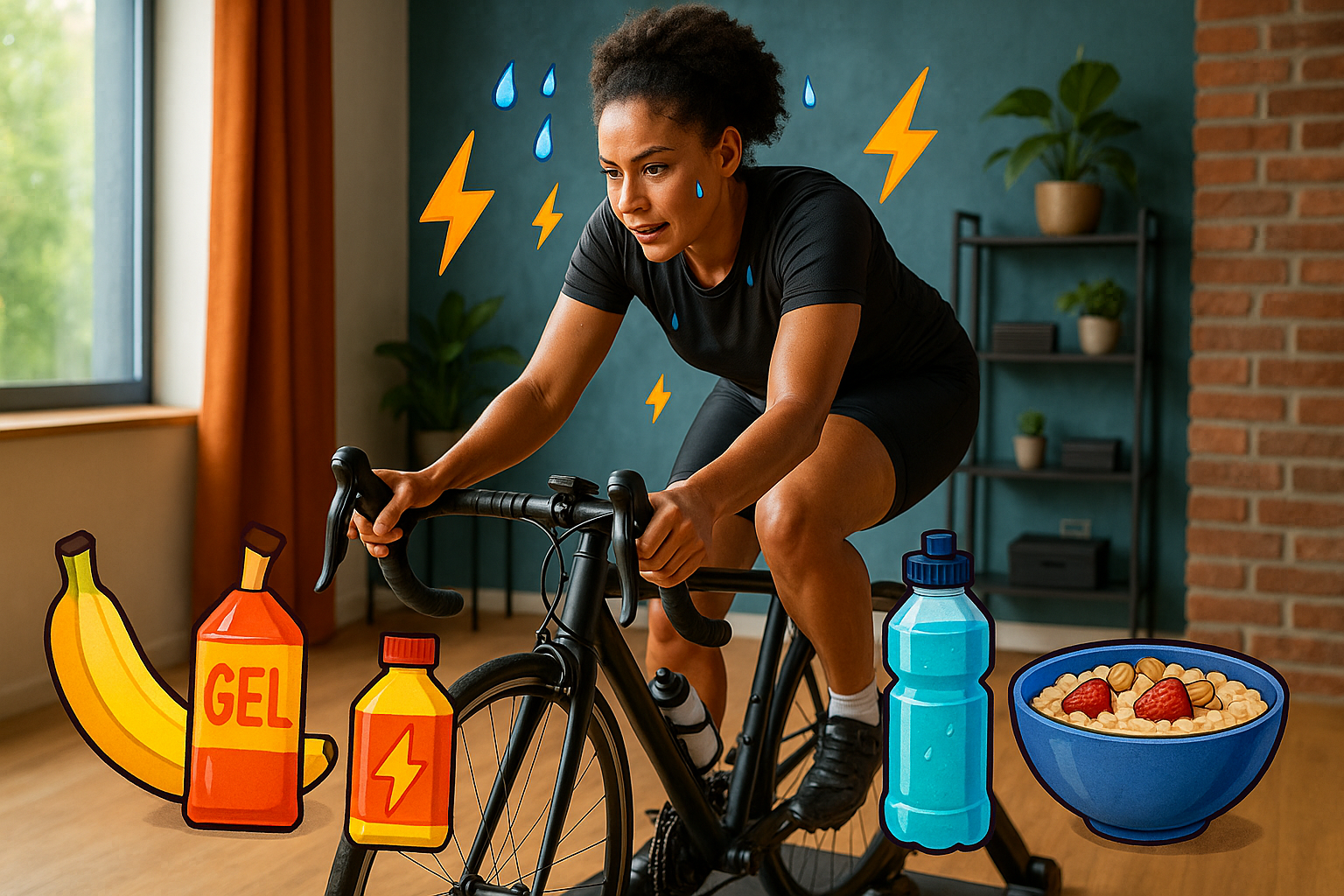
For your pre-ride meal, oatmeal with banana and a drizzle of honey is a great option. A baked sweet potato with a bit of protein works beautifully, too. If you’re more of a savory person, a turkey sandwich on whole-grain bread hits the spot. The key is getting those complex carbs that will provide steady energy levels without making you feel sluggish.
But don’t stop there. About 30-60 minutes before you clip in, grab a small snack for that final energy boost. A banana is classic for a reason, it offers quick-digesting carbs that won’t sit heavy in your stomach. An energy bar is also a convenient choice. Just make sure it’s a bar you’ve tested before, so you know it agrees with your stomach.
Pre-Ride Nutrition for Weight Loss
This is where things get a bit nuanced, and honestly, where I see the most confusion.
If your primary goal is weight loss, fasted low-intensity rides can be beneficial. When your glycogen stores are depleted, your body is more likely to tap into fat stores for fuel. This is called fat oxidation, and it’s a legitimate strategy that works, with some big caveats.
First, we’re talking about easy, conversational-pace efforts only (low-intensity work) where you could chat with a friend if they were riding next to you. The moment you try to go hard while fasted, your energy expenditure skyrockets, performance tanks, and you risk burning muscle tissue along with fat.
Second, don’t let this become an excuse to under-fuel consistently. I’ve seen too many people get caught up in the “burn fat” mentality and end up chronically under-nourished. Your body needs fuel for muscle recovery, to adapt, and to get stronger. The best way to lose weight through cycling isn’t starvation, it’s consistency, progressive training, and a balanced approach to nutrition.
What is the Best Nutrition for Indoor Cycling While You Ride?
Carbohydrate Intake During Your Indoor Ride
So let’s talk about the main event, fueling during your ride. For beginners, here’s your golden rule: aim for 30-60 grams of carbohydrates per hour during long rides lasting longer than 60 minutes. That’s your starting point, your baseline, your safety net.
But here’s where it gets interesting. Professional cyclists and those with a high training load often push this number much higher, sometimes 90+ grams per hour. There are competitive cyclists who can handle 100+ grams per hour during long events, but that’s after years of literally training their gut to process that much fuel.
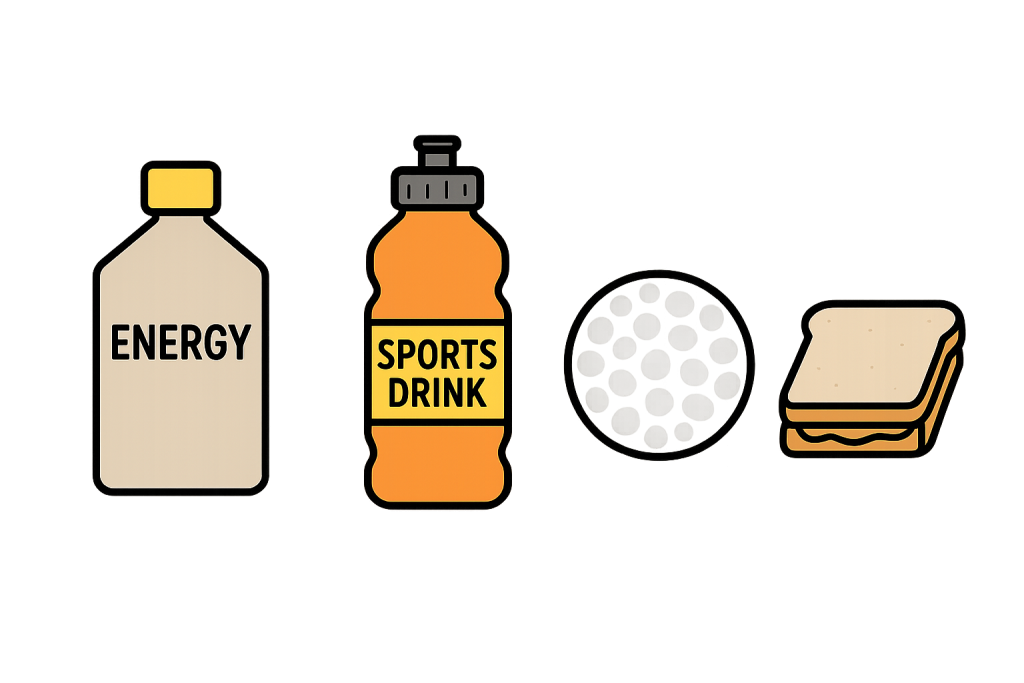
Your fuel options are endless. Energy gels are convenient and precisely dosed, usually 20-25 grams of carbs per packet. Carbohydrate-rich sports drinks kill two birds with one stone, providing both carbs and fluids. For longer indoor sessions, some cyclists opt for good old-fashioned rice cakes or even a small peanut butter sandwich cut into squares. Using solid foods can be a satisfying alternative to gels and chews. My personal favorites include a vegan protein shake or a power bar.
Hydration and Fluid Intake for Indoor Cycling
Remember what I said about indoor cycling being like training in a sauna? Well, your hydration strategy needs to match that reality. Plain water is fine for shorter sessions, but once you’ve been sweating for more than an hour, you need to replace those electrolytes, too.
It’s a good idea to consume at least one water bottle (18-26 ounces) per hour, but this varies wildly based on individual sweat rates and how much fluid you actually need. If you are a heavy sweater and sweat profusely after a hard session, you’ll likely need more aggressive electrolyte replacement.
Electrolyte drinks with sodium, potassium, and magnesium are your friend here. Products like an OTE hydro tab make it easy to customize your drink strength. An energy drink can also serve double duty, providing both carbs and electrolytes in one package.
What are the Key Nutritional Strategies for Post-Workout Recovery?
Post-Workout Meal for Muscle Repair and Recovery
The post-workout window used to be this super-stressed “you have exactly 30 minutes or you’ve wasted your entire session” thing. The good news is the science has evolved, and while timing matters, it’s not quite that dramatic.
That said, getting some post-workout nutrition within 30-60 minutes after an intense session is still important, especially if you’re training frequently. Your muscles are like sponges right after exercise, ready to soak up essential nutrients for muscle repair and fluid replenishment.
So what’s the magic formula for the best result? Combine protein intake and carbohydrates in roughly a 3:1 or 4:1 carb-to-protein ratio to get those essential nutrients your body needs. Greek yogurt with fruit and granola is a great option. Recovery shakes with whey protein and banana work great too. Even chocolate milk hits these ratios pretty well and tastes like a reward rather than medicine.
For balanced post-workout meals, choose lean protein with complex carbs: grilled chicken with sweet potato, salmon with quinoa, or even a well-made turkey sandwich. The goal is replenishing those glycogen stores while providing the building blocks your muscles need for repair and adaptation.
Rehydration After a Hard Workout
Don’t forget to continue the rehydration process post-ride. If you’ve lost significant fluid during your session (and indoors, you probably have), plain water alone won’t cut it for optimal recovery. Your goal is to replace the fluid you’ve lost.
Recovery shakes or electrolyte solutions are a great way to replace both the fluid and the salts you’ve lost through sweat. I usually recommend starting with a recovery drink or small snack immediately after the ride and following up with your next meal within a couple of hours.
One mistake I see constantly is people nailing their during-ride hydration but then forgetting to keep drinking afterward. Your body continues losing fluid through respiration and regular metabolism, so rehydration is an ongoing process, not a one-and-done deal.
What are the Best Choices for Indoor Cycling Nutrition?
Sample Nutrition Plans for Different Training Sessions
Let me make this practical for you with some real-world examples.
What are the Best Choices for Indoor Cycling Nutrition?
Sample Nutrition Plans for Different Training Sessions
Let me make this practical for you with some real-world examples.
| Workout Type | Pre-Ride | During Ride (per hour) | Post-Ride (within 1 hour) |
|---|---|---|---|
| Shorter Session (<60 minutes) | Banana and coffee 30 minutes before | Water or a light sports drink if intense | Greek yogurt with berries |
| Longer Endurance Ride (2-3 hours) | Oatmeal with banana and honey 2-3 hours before, plus an energy bar 30 minutes before | 40-60g carbs (mix of sports drink and gels/real food), plus 20-24 oz fluid | Recovery shake, followed by a full meal with lean protein and complex carbs within 2 hours |
These aren’t set in stone. They’re starting points based on what I’ve seen work for most athletes. Your mileage may vary, and that’s totally normal. Following this best nutrition plan for indoor cycling can help tailor these guidelines to your needs.
Putting it all together: The Best Method
Seven years of working as a nutritionist have taught me that the best nutrition plan for indoor cycling is the one you can stick to consistently. I’ve seen too many people stress over perfect macro ratios while ignoring basics like staying hydrated.
Start simple. Focus on getting adequate carbs before longer rides, staying hydrated during, and eating something with protein and carbs afterward. Once those habits are locked in, you can start fine-tuning the details.
Keep a training log that includes not just your power numbers and heart rate, but also what you ate and drank. Patterns emerge over time, and you’ll start to see what fueling strategies correlate with your best performances. This is the best method for making progress on your indoor training sessions.
Don’t be afraid to experiment, but do it during training sessions, not when it matters most. And remember, what works for a friend or a popular YouTuber might not work for you. Your body, your rules.
Conclusion
Proper nutrition for indoor cycling isn’t rocket science, but it’s not something you can just wing either. The controlled environment of indoor training gives you an incredible opportunity to perfect your fueling strategy without the variables that outdoor riding throws at you.
Focus on the fundamentals: eat adequate carbs before hard sessions, fuel consistently during longer rides, stay ahead of dehydration, and prioritize recovery nutrition afterward. These basics will take you further than obsessing over the latest supplement or trying to hack your metabolism.
Most importantly, remember that nutrition is just one piece of the puzzle. It supports your training, but it doesn’t replace consistent effort, proper recovery, and progressive overload. Get the basics right, stay consistent, and trust the process.
Your indoor cycling sessions should feel strong, sustainable, and enjoyable. Proper nutrition makes that possible. Now clip in, fuel smart, and go crush those watts on your next ride!