Can Indoor Cycling Lower Blood Sugar? What Women Over 50 Should Know
Dinner’s done. You’re on the couch, and that heavy, sleepy feeling is settling in. Your bike is ten steps away, and a little voice says, “Not tonight.”
Here’s why tonight might be the best time of all.
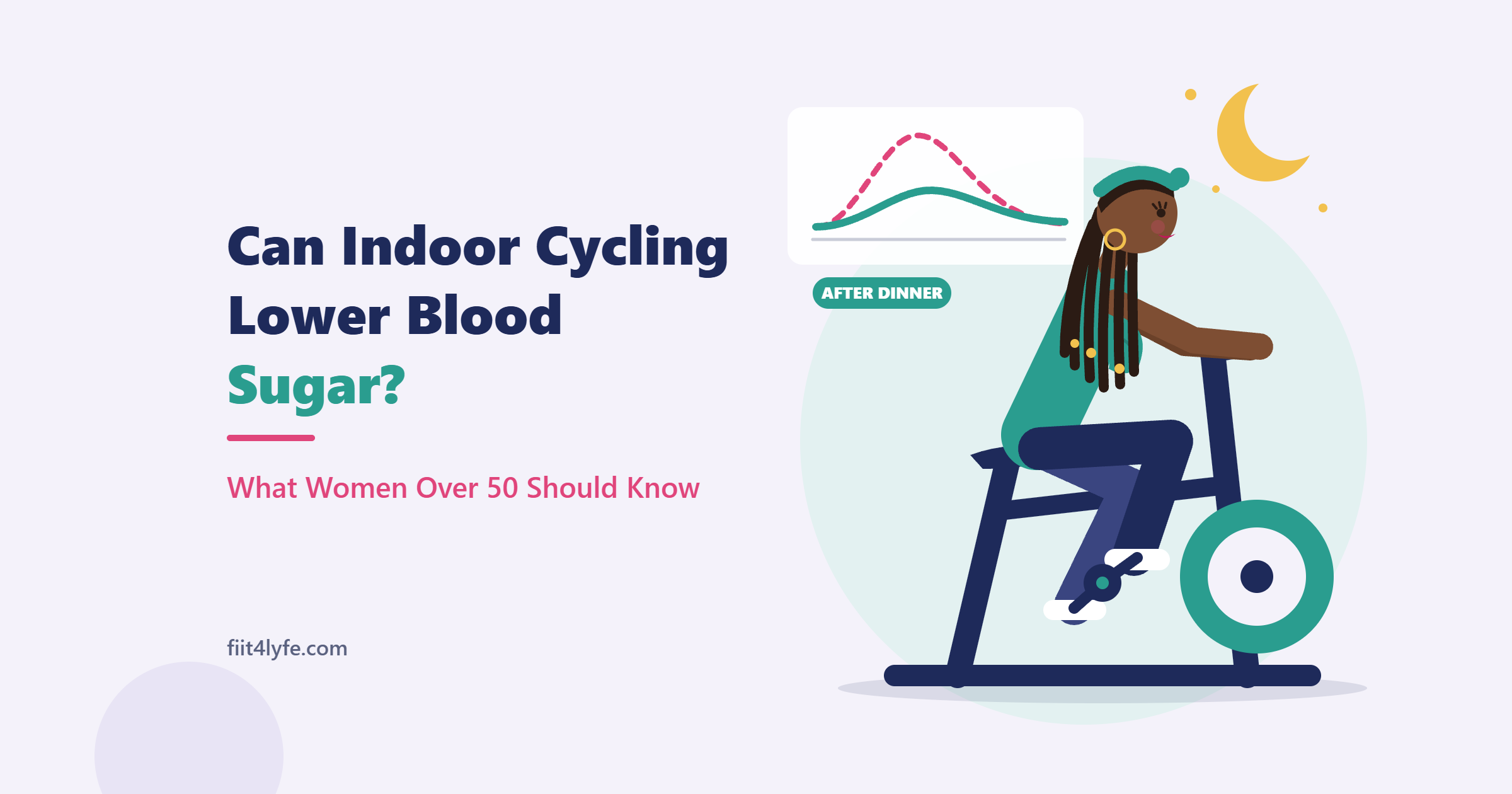
So, can indoor cycling lower blood sugar? Yes, and when you ride matters almost as much as how long.
Yes, indoor cycling can lower blood sugar, because working leg muscles pull sugar out of your blood to use as fuel, even with less help from insulin. Short, easy rides after meals, especially dinner, help blunt the after-meal spike, and regular riding helps your body handle sugar better over time. If you take insulin or medicine that can cause lows, talk to your doctor before you start.
This one is personal for me. My own blood sugar has come back high on routine lab work, high enough that my doctor rechecked it. I’ve never had an A1C (a blood test that shows your average blood sugar over about three months) problem, and I’ve brought my numbers back by changing the way I eat.
Can indoor cycling lower blood sugar?
Yes. When your leg muscles work, they pull in glucose, the sugar in your blood, to burn for fuel, and they can do it with less help from insulin. That usually lowers blood sugar during and after your ride. Over weeks, regular riding also helps insulin work better, which matters more and more after 50.
The American Diabetes Association’s position statement on exercise explains that working muscles take in glucose through a pathway that doesn’t depend on insulin. Your thighs and glutes are some of the biggest muscles you have, and the bike puts all of them to work at once.
When should I ride to lower blood sugar?
After a meal, especially dinner. In a study of adults 60 and older, three 15-minute walks after meals lowered after-dinner blood sugar more than one 45-minute walk at another time of day. In adults with type 2 diabetes, a 10-minute walk right after dinner lowered after-dinner blood sugar 22 percent more than one 30-minute walk at any time.
Those two studies used walking, so here’s the honest translation. A bike works the same big leg muscles, at an easy, steady effort, from the comfort of your home. Start within about 30 minutes of finishing your meal.
The research behind this:
- DiPietro and colleagues, Diabetes Care, 2013: 10 inactive adults 60 and older with higher-than-normal fasting blood sugar.
- Reynolds and colleagues, Diabetologia, 2016: 41 adults with type 2 diabetes. After-meal walking lowered after-meal blood sugar by 12 percent overall compared with one daily walk, and by 22 percent after the evening meal.
Dinner is often the biggest meal of the day, and it’s usually followed by the most sitting. That’s why it’s the one to target.
How long and how hard should I ride?
Easy to moderate is enough. For an after-meal ride, 10 to 15 minutes at a pace where you can still talk works well. Across the week, the American Diabetes Association recommends at least 150 minutes of moderate to vigorous activity, spread over at least three days, with no more than two days in a row off.
In ISSA’s indoor cycling standard, that after-dinner pace is Zone 2: a steady effort where you’re breathing a little harder but can still hold a conversation. You don’t need sprints for this. If you enjoy intervals, my HIIT guide for women over 50 shows how to add them safely on other days.
Does blood sugar get harder to control after menopause?
For many women, yes. When estrogen drops, the body tends to become less sensitive to insulin, so insulin has to work harder to move sugar out of your blood, and fat shifts toward the belly. Exercise is one of the most reliable ways to push back, and riding plus strength training works better than either one alone.
This is why I don’t treat blood sugar as only a diabetes topic. It’s a midlife topic. The habits you build in your 50s shape how your body handles sugar for the decades ahead.
Is it safe to ride if I have diabetes?
For most people, yes, and it’s recommended. But if you take insulin or medicines such as sulfonylureas, diabetes pills that push your body to release more insulin, exercise can push your blood sugar too low. Talk to your doctor first. Check your sugar before and after riding if you’ve been told to, and keep a fast-acting snack nearby.
Watch for the signs of a low: shakiness, sweating, a fast heartbeat, confusion, or sudden hunger. If you feel any of them, stop riding and treat it right away. If you have heart disease, ask your doctor before exercising right after big meals, because digestion and exercise both put demands on your heart.
Should I add strength training too?
Yes. Muscle is one of the biggest users of the sugar in your blood, and muscle tends to decline with age. The American Diabetes Association recommends strength training two to three times a week on non-consecutive days, plus balance and flexibility work for older adults. Riding and lifting together beat either one alone.
Start simple. The glute moves in my 5-minute glute activation routine are a great first step, and they pair perfectly with a ride.
| The Myth | The Precision Standard |
|---|---|
| Only hard workouts move the needle | An easy 10 to 15 minute ride after dinner counts |
| Exercise whenever you can fit it in | Timing matters: after meals is the sweet spot |
| Cardio is all you need | Riding plus strength work beats either one alone |
| Push through feeling shaky | Shaky or sweaty? Stop, check, and treat a low |
| One long weekend workout makes up for it | Move most days, with no more than two days in a row off |
My 21-Day Fitness Acceleration Planner has a rule I come back to again and again: focus on just one or two areas at a time. So here’s today’s Daily Win. Tonight, ride 10 easy minutes within about 30 minutes of finishing dinner. If you take insulin or have heart disease, check with your doctor first.
Forensic Case File: Exercise, hormones, and insulin after menopause
Let’s look at the evidence. At the European Association for the Study of Diabetes meeting in Milan this fall, researchers from Ghent, Belgium, presented early results from a 12-week randomized study of a few dozen women after menopause.
The women were split into three groups: hormone therapy alone, exercise alone, or both. Both exercise groups improved insulin sensitivity more than hormone therapy alone. Adding hormone therapy to exercise may have helped a little more, but early news reports differ on how much.
Now the honest limits. These are interim results, presented at a conference and not yet published in a journal. Insulin sensitivity was estimated from a fasting blood test. The trial was short, and there was no group that did nothing. And hormone therapy is a decision for you and your doctor, not a blog post.
Here’s what I take from it. Exercise did the heavy lifting. You don’t have to wait for anything to start helping your body handle sugar.
Bottom line: Indoor cycling can lower blood sugar because working muscles burn glucose for fuel. A short, easy ride after meals, especially dinner, blunts the after-meal spike, and 150 minutes a week plus strength training improves blood sugar control over time.
Frequently Asked Questions
How much does cycling lower blood sugar?
It varies from person to person. In one study of adults with type 2 diabetes, a 10-minute walk right after dinner lowered after-dinner blood sugar 22 percent more than one 30-minute walk at any time of day. Easy cycling after meals works the same big leg muscles.
Is cycling good for type 2 diabetes?
Yes. The American Diabetes Association recommends regular aerobic activity like cycling, plus strength training. If you take insulin or medicine that can cause lows, talk to your doctor first.
Is it better to ride before or after eating?
For lowering the after-meal spike, after. Start within about 30 minutes of finishing your meal.
Can a stationary bike help with prediabetes?
Regular exercise is one of the main ways to lower the risk of type 2 diabetes. The after-meal studies above included older adults with higher-than-normal blood sugar. Talk to your doctor about your numbers.
Should I check my blood sugar before riding?
If you take insulin or medicine that can cause lows, follow your doctor’s advice on checking before and after exercise. If you don’t, you usually don’t need to check to prevent lows. Some people still find it helpful to see how riding affects their numbers. Ask your doctor what’s right for you.
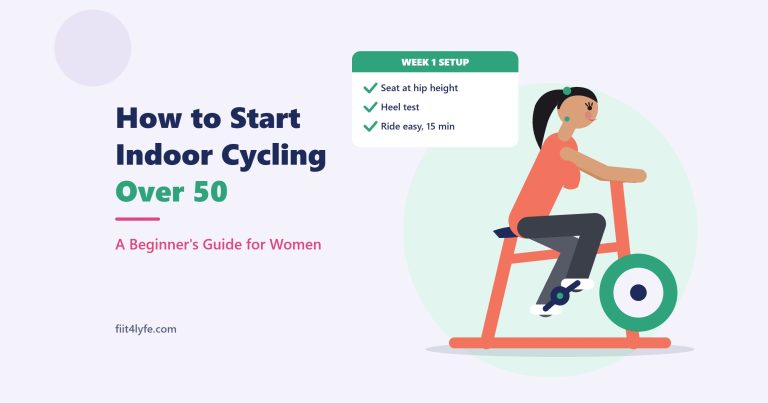
For the full beginner setup, start with my guide on how to start indoor cycling over 50.
When do you usually ride: morning, afternoon, or after dinner? Tell me in the comments.
For a new low-impact workout idea every week, follow me @FiitTalk on Instagram and TikTok.
I’m a certified fitness professional, not a doctor, and this article is for general education, not medical advice. Please check with your doctor before starting any new exercise program, especially if you have diabetes or prediabetes, heart disease, or take medicine that lowers blood sugar.
Sources
- American Diabetes Association. Standards of Care in Diabetes 2026. Diabetes Care, 2026.
- Colberg SR, et al. Physical activity/exercise and diabetes: a position statement of the American Diabetes Association. Diabetes Care, 2016.
- DiPietro L, et al. Three 15-min bouts of moderate postmeal walking significantly improves 24-h glycemic control in older people at risk for impaired glucose tolerance. Diabetes Care, 2013.
- Reynolds AN, et al. Advice to walk after meals is more effective for lowering postprandial glycaemia in type 2 diabetes mellitus than advice that does not specify timing. Diabetologia, 2016.
- Calders P, Depypere H, et al. Effect of combined exercise and hormone replacement therapy on insulin sensitivity and cardiovascular risk in postmenopausal women. EASD Annual Meeting, Milan, 2026 (interim results).
- El Khoudary SR, et al. Menopause transition and cardiovascular disease risk. Circulation, 2020 (American Heart Association scientific statement).
- ISSA. Indoor Cycling course text.