Nutrition for Indoor Cycling: Protein, Water, and What to Eat After 50
Nutrition for indoor cycling after 50 is simpler than the ads say: a light snack if you need it, water before you’re thirsty, and protein spread across your meals.
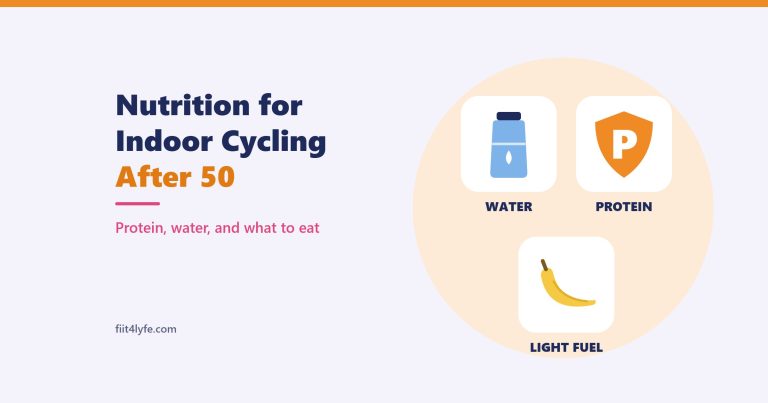
Nutrition for indoor cycling after 50 is simpler than the ads say: a light snack if you need it, water before you’re thirsty, and protein spread across your meals.
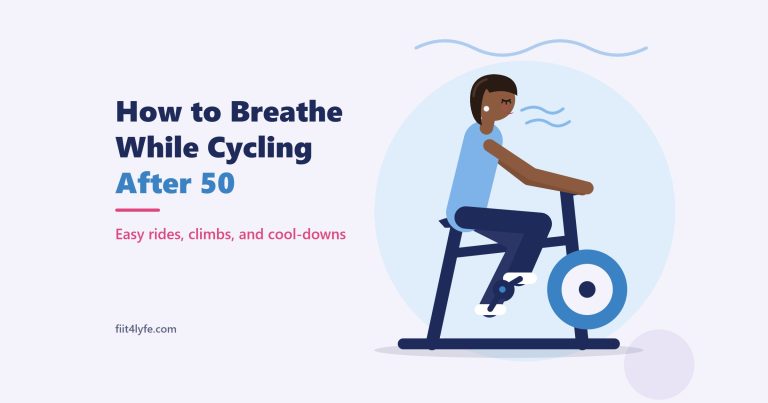
How to breathe while cycling after 50: breathe low and relaxed, use the talk test, never hold your breath on climbs, and end each ride with slow breathing.
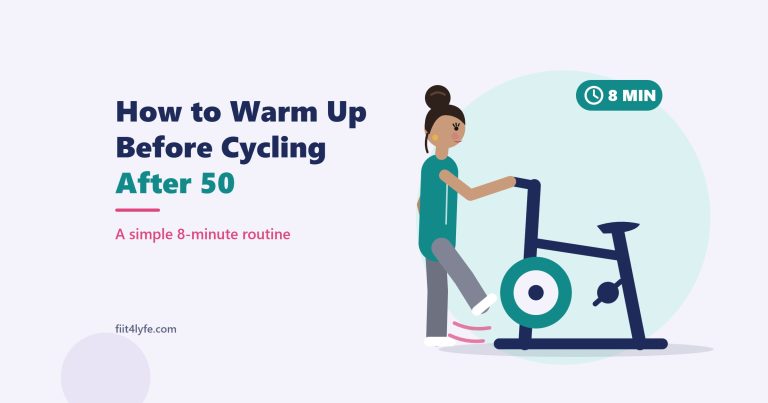
How to warm up before cycling after 50: 3 minutes of easy moves off the bike, then 5 minutes of pedaling that builds to your working pace.
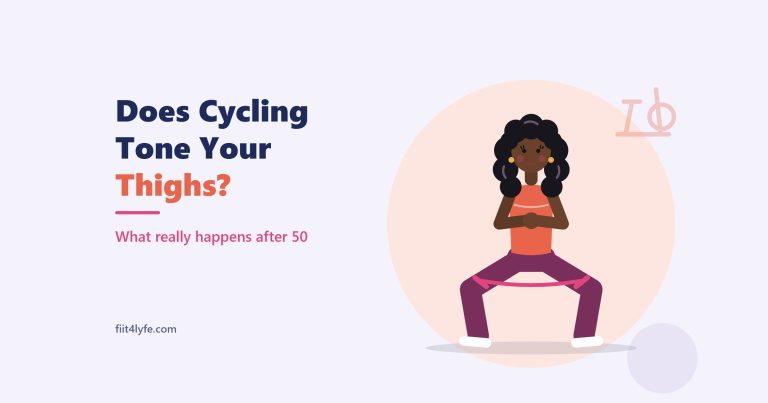
Does cycling tone your thighs? Yes. Riding firms the front of your legs without bulking them. Here’s how to ride, and the moves to add, for toned thighs after 50.
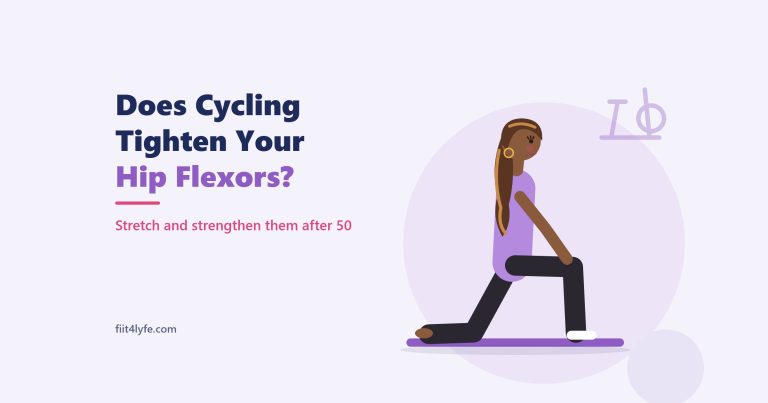
Cycling doesn’t stretch your hip flexors; it keeps them bent. Here’s the simple stretch and strength routine that keeps them healthy after 50.
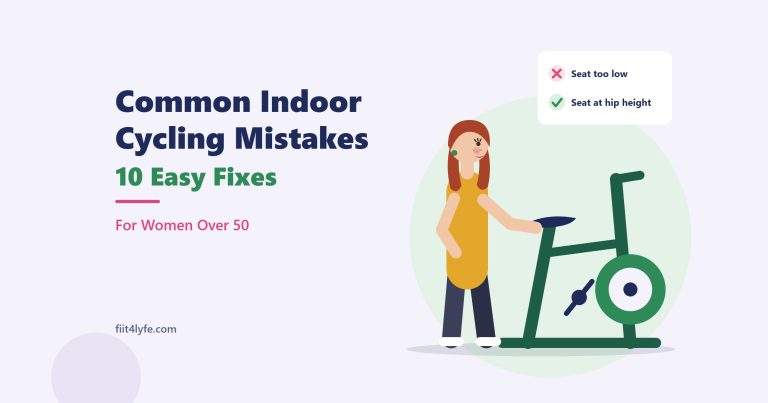
The most common indoor cycling mistakes are a seat set too low, too little resistance, a tight grip, and starting too hard. Here are 10 easy fixes for women over 50.
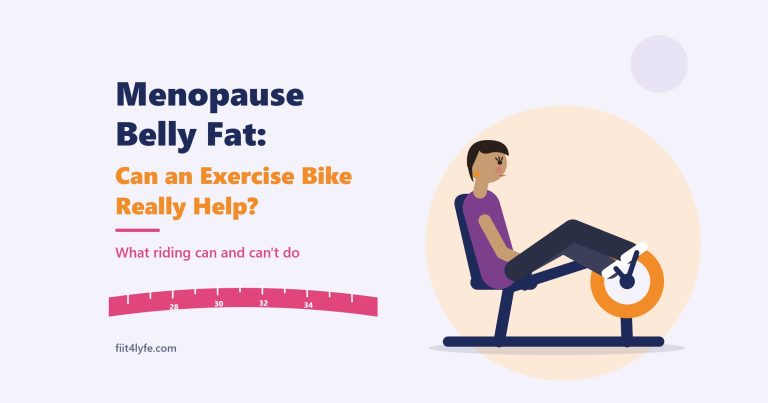
An exercise bike can’t burn fat from your stomach alone, but regular riding shrinks the deep belly fat that rises during menopause, even when the scale won’t budge.
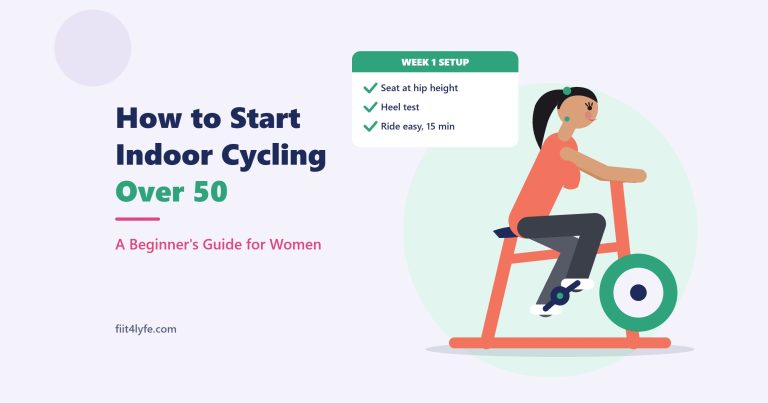
To start indoor cycling over 50, set your seat at hip height, ride at an easy pace for 15 to 20 minutes twice a week, and build from there with a simple 4-week plan.
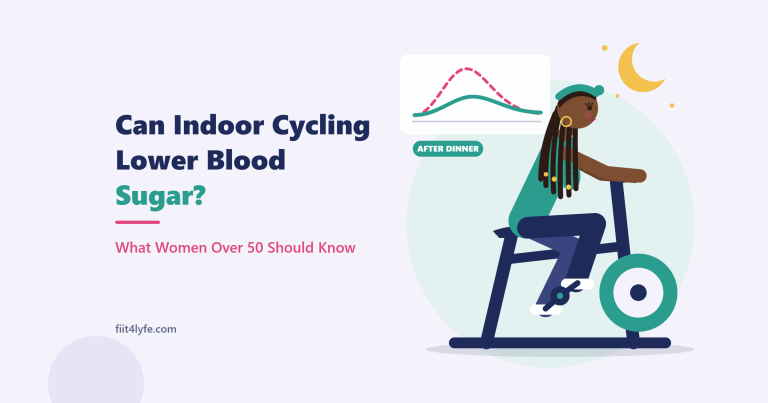
Can indoor cycling lower blood sugar? Yes. Working leg muscles burn sugar for fuel, and a short, easy ride after dinner helps blunt the after-meal spike. Here is when to ride, how long, and how to stay safe.
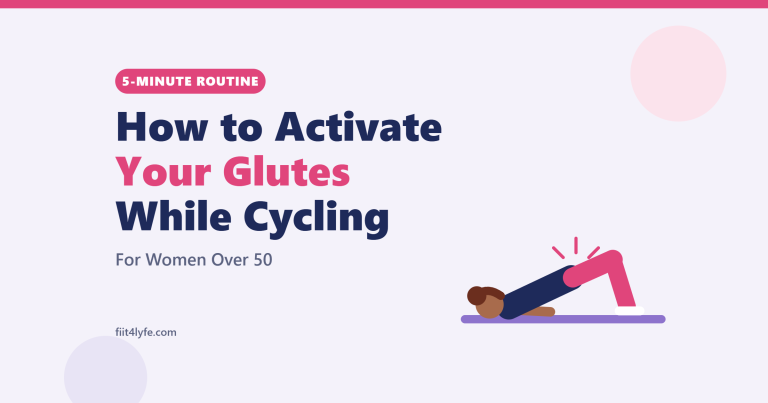
How to activate your glutes while cycling: a 5-minute primer before you ride, three simple cues on the bike, and why your gluteus medius protects your knees after 50.